Everyday Stories, Lasting Heritage 

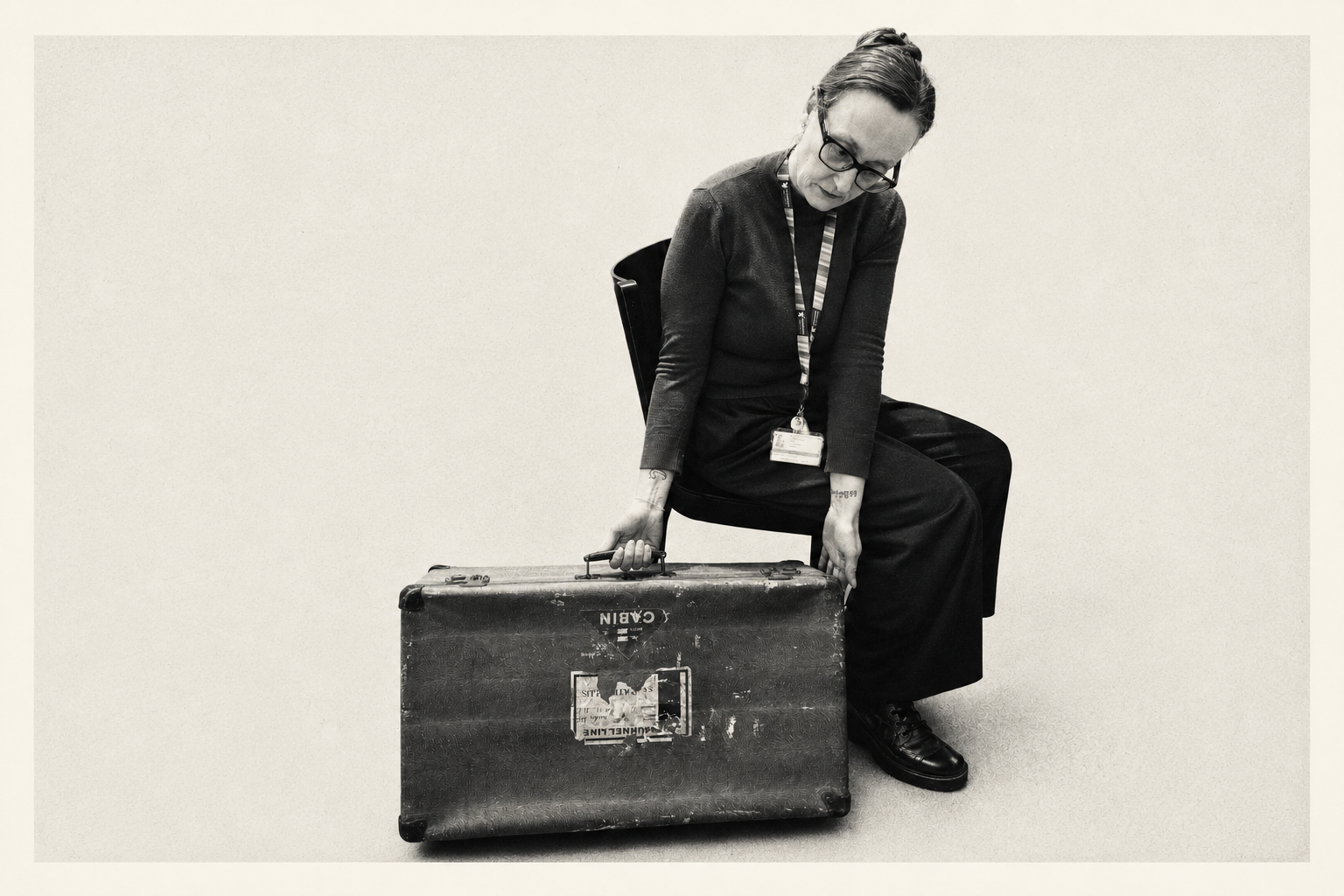
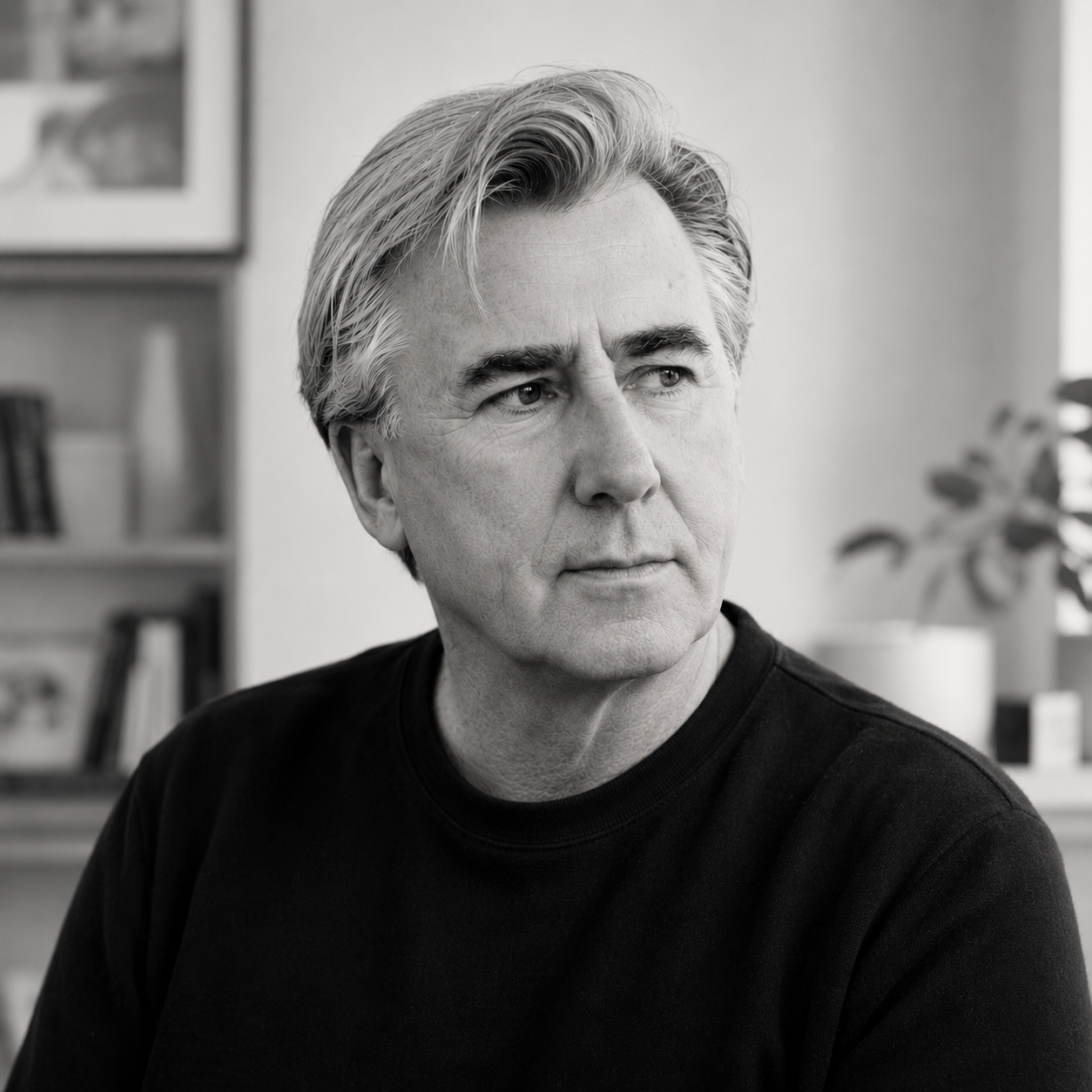
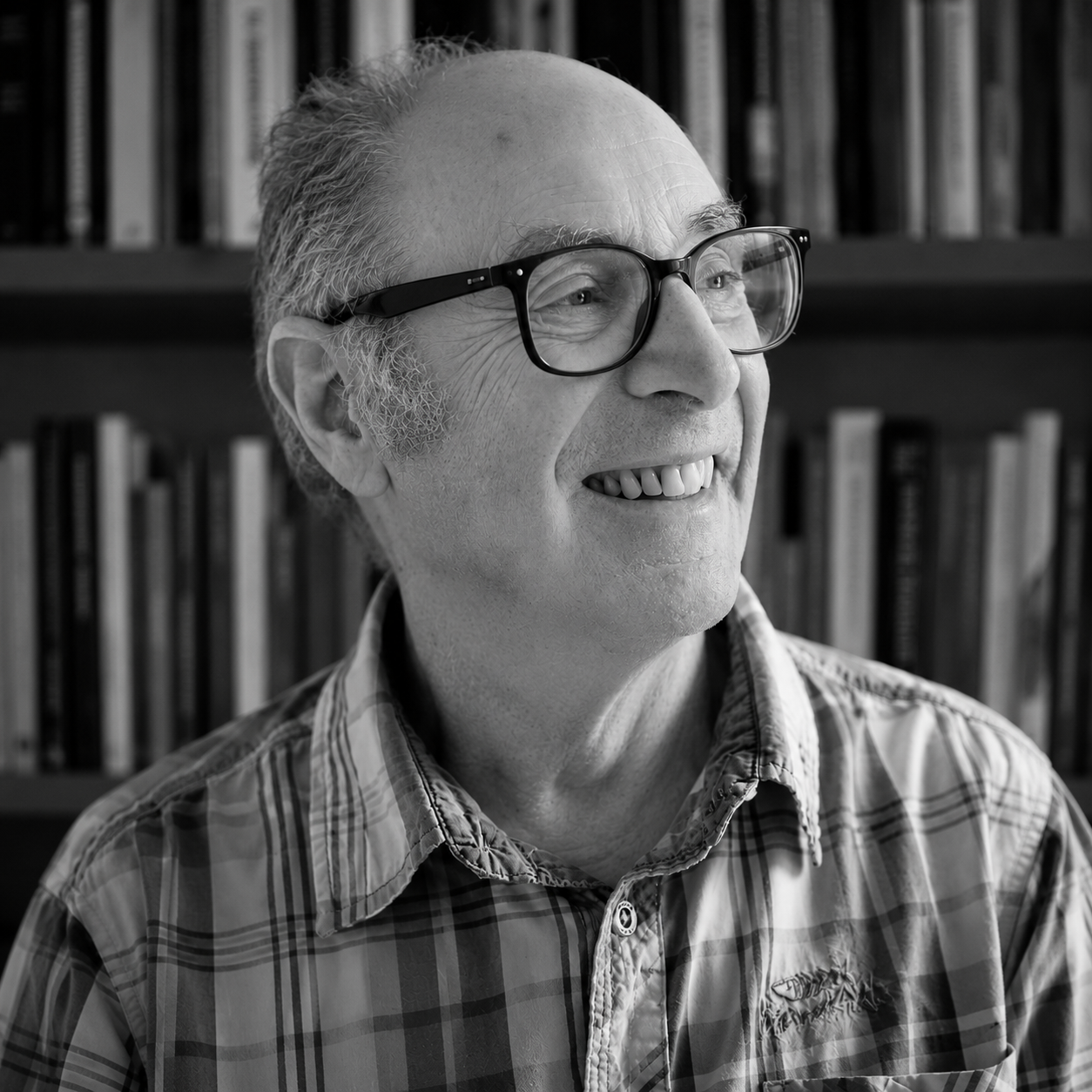
We are John Campbell and Moira Kenny-Campbell, AKA, The Sound Agents — socially engaged artists and oral historians. Our practice is rooted in listening, storytelling, memory, and cultural heritage. For more than two decades, as The Sound Agents, we have collaborated with people from diverse backgrounds and cultures, creating artistic and heritage-at-risk projects that celebrate lived experience and preserve stories that might otherwise be lost, in turn, helping to uncover hidden histories, amplify seldom-heard voices, and create meaningful cultural legacies.
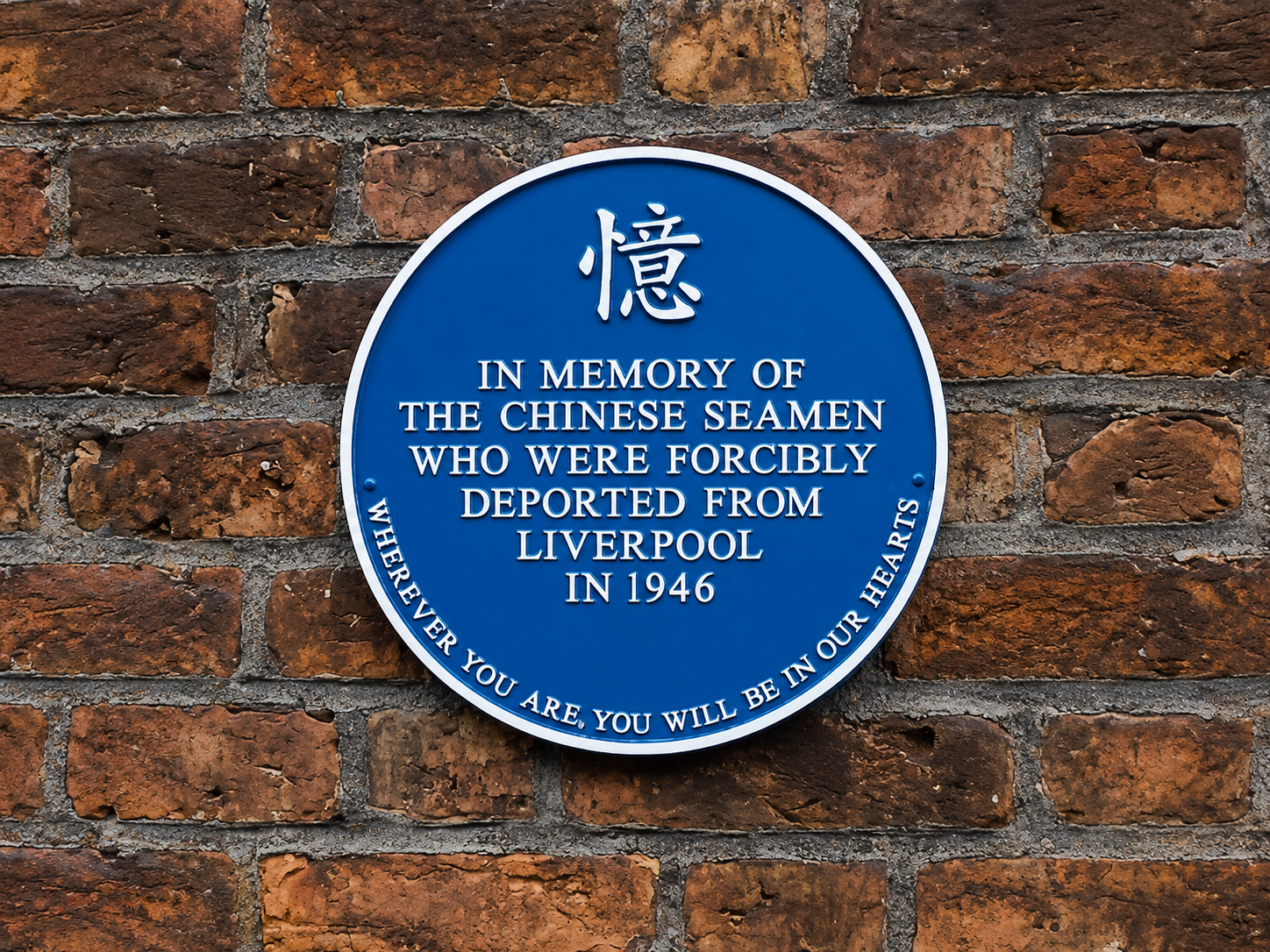
Our work brings together oral history, visual art, theatre, sound, film, and creative engagement as a 'Museum in the Street' designing and producing blue plaques to explore identity, belonging, place, and social change.
We believe that everyone has a story worth telling and that these stories help us understand who we are, where we come from, and how we connect with one another.
At the heart of everything we do is a commitment to integrity, professionalism, and respect. We take time to build trust, listen carefully, and work with sensitivity and care. Rather than speaking for people, we create opportunities for them to share their own experiences, memories, and perspectives in ways that are authentic and empowering. As artists and oral historians, we see ourselves as memory catchers, gathering stories that might otherwise be forgotten and transforming them into creative experiences that inform, inspire, and connect people across generations.
Thanks for stopping by. We hope you enjoy exploring our work and the remarkable stories that have been shared with us along the way. We look forward to working with you in the future.
The Sound Agents combine oral history, visual art, theatre, sound, film, exhibitions, and public installations.
The historical focus of the work of Moira Kenny-Campbell and John Campbell (The Sound Agents) centers primarily on the mid-to-late 20th century (1940s to late 1990s), tracking how global 19th-century migrations shaped Liverpool's communities over the generations.Their archival and oral history projects narrow in on several pivotal historical windows:
The Post-WWII Era (1940s–1950s): A substantial part of their research, including their verbatim play The Curious Disappearance of Mr Foo, focuses heavily on 1946. This covers the forced, secret deportation of Chinese seamen who served Britain during World War II, and the subsequent hardships faced by their Liverpool-Irish wives and children left behind.
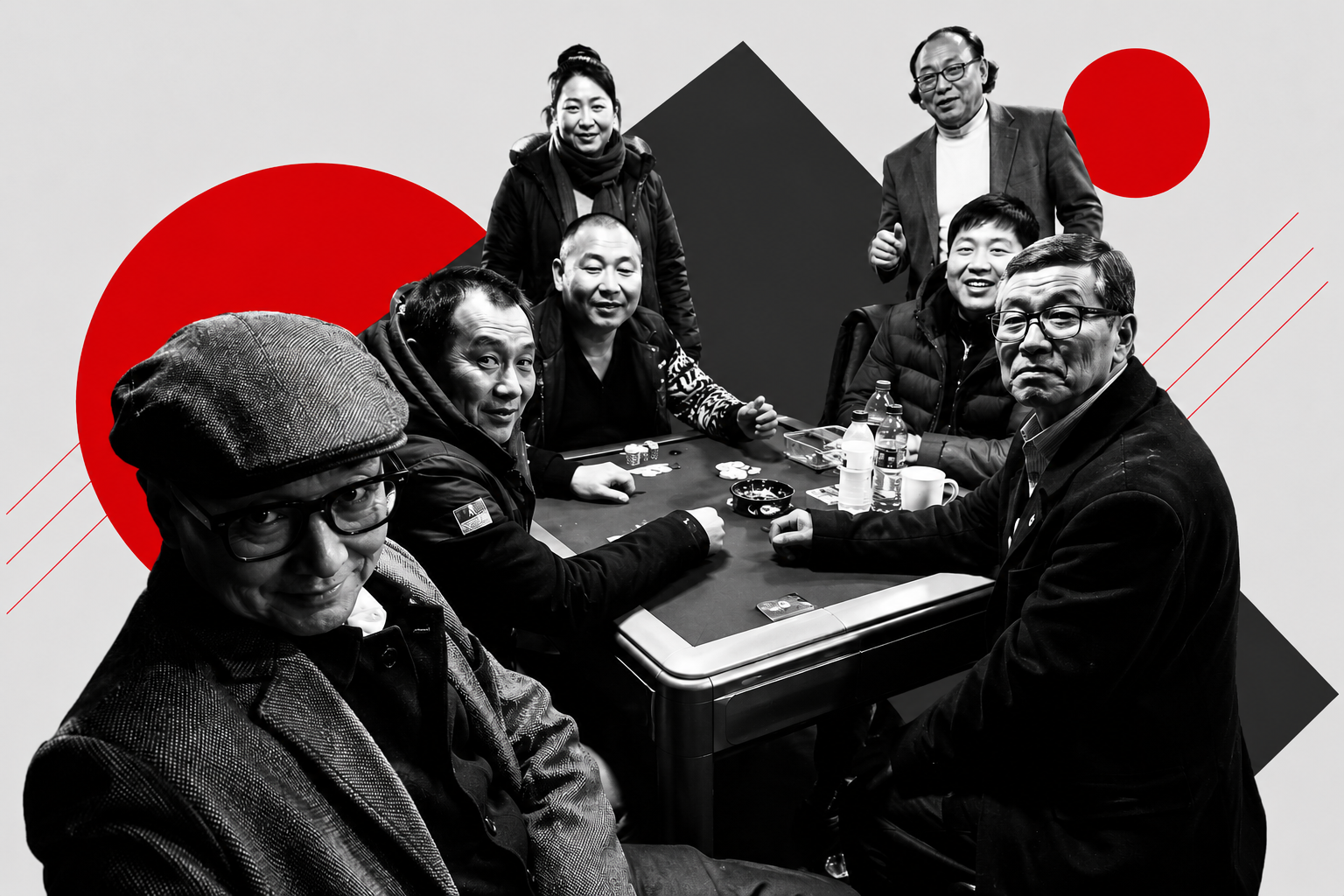
The Mid-20th Century Boom (1950s–1960s): Their Liverpool Chinatown Oral History Archive documents the lived experiences of elders growing up in Europe's oldest Chinatown during this period. This includes tracking cultural cornerstones like the opening of the Wah Sing Chinese Community Centre in 1965.
The Late 20th Century Working-Class Struggles (1995–1998): They extensively document Liverpool’s modern maritime and labor history. A major archival focus has been the Liverpool Dockers Dispute, capturing the personal stories, family collections, and solidarity movements of the 28-month strike.
The First World War (1914–1918): Through collaborations with the Merseyside at War archive, they have also focused on the human impact of WWI, trench letters into a public art installation to honor local soldiers and their families to commemorate The Battle of The Somme.
Some notable projects include:
Liverpool Chinatown Oral History 2013 - present
The Sound Agents recorded 40 interviews with members of Liverpool's Chinese community and dual-heritage Chinese families, creating an important archive of Liverpool Chinatown's history and culture. They describe themselves as "memory catchers" who preserve community stories.
The Curious Disappearance of Mr Foo 2014
The Sound Agents wrote a verbatim theatre production based on oral-history research into the forced repatriation of Chinese seamen from Liverpool after World War II and the impact on the families they left behind. The work was performed in the Unity Theatre, Liverpool 2014 Mr Woo was performed by London based actor Simon Wan, Cathleen Delaney by Tina Malone
Opera for Chinatown 2014
The Sound Agents designed a large public-art installation in Liverpool that used photographs and oral histories to tell the stories of Chinese sailors, families, and local residents connected to Chinatown.
Dulce er Decorum Est 2016
The Sound Agents designed a public art installation for the Grade II* Lyceum building in Bold Street working with the Liverpool Bid, Liverpool city council and Will Segeant, Liverpool Pals. The installation depicted the 1914-1918 correspondence between Liverpool families and their loved ones. The image on the center panel was Arthur Lloyd of the Kings Regiment and Liverpool Pals. He died aged 20 years, on the 30th July 2016 during the first assault of The Battle of Fuillemont, one of the twelve Battles of the Somme. Arthur Lloyd as a central theme represented every man. The work was contextualised by supporting images, one representing his sweetheart, and correspondance contributed by the people of Merseyside.
Stories of Older Residents 2000 - present
Projects such as The Art of Living collect life stories from elderly Liverpool residents and transform them into radio programmes and theatre performances, helping combat isolation while preserving local heritage.
The Dockers Club 2000 - present
Liverpool Irish Oral History 2026
More recently, they secured heritage funding to record and preserve the stories of Liverpool's Irish community, including people whose experiences have often remained undocumented. The project includes film, podcasts, exhibitions, and a digital archive.
Chinatown By The Sound Agents - Culture Liverpool
Films
Exhibitions
Ebb And Flow: A Visual Chronicle Of The Changes Within Liverpool’s Chinatown – OEG
Exhibition explores life in Liverpool's Chinatown - BBC News
The Sound Agents: 30 Years Since the Liverpool Docker’s Dispute | Art in Liverpool