Greg Quiery
Greg Quiery


Greg Quiery
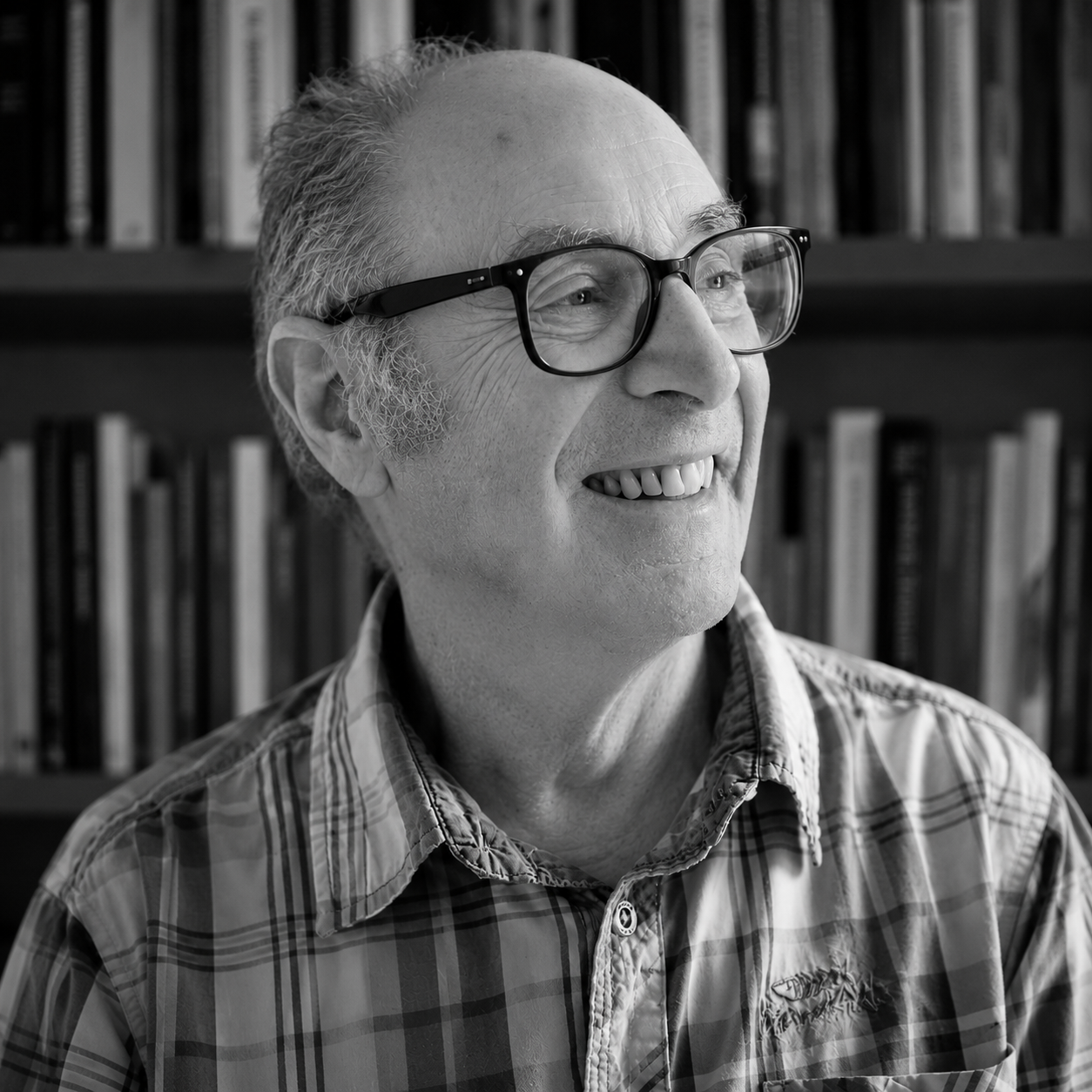
Greg Quiery has spent decades uncovering the stories that shaped one of Liverpool's largest and most influential communities.
A respected historian, author and researcher, his work has become an important contribution to understanding the history of the city's Irish population, documenting the lives, struggles and achievements of generations whose experiences helped define modern Liverpool.
His acclaimed book, In Hardship and Hope: A History of the Liverpool Irish, charts nearly two centuries of Irish life in the city, from the late eighteenth century through to the 1960s. Drawing on extensive research, it explores migration, employment, religion, politics, community life and the everyday experiences of ordinary families, creating one of the most comprehensive accounts of Liverpool's Irish heritage.
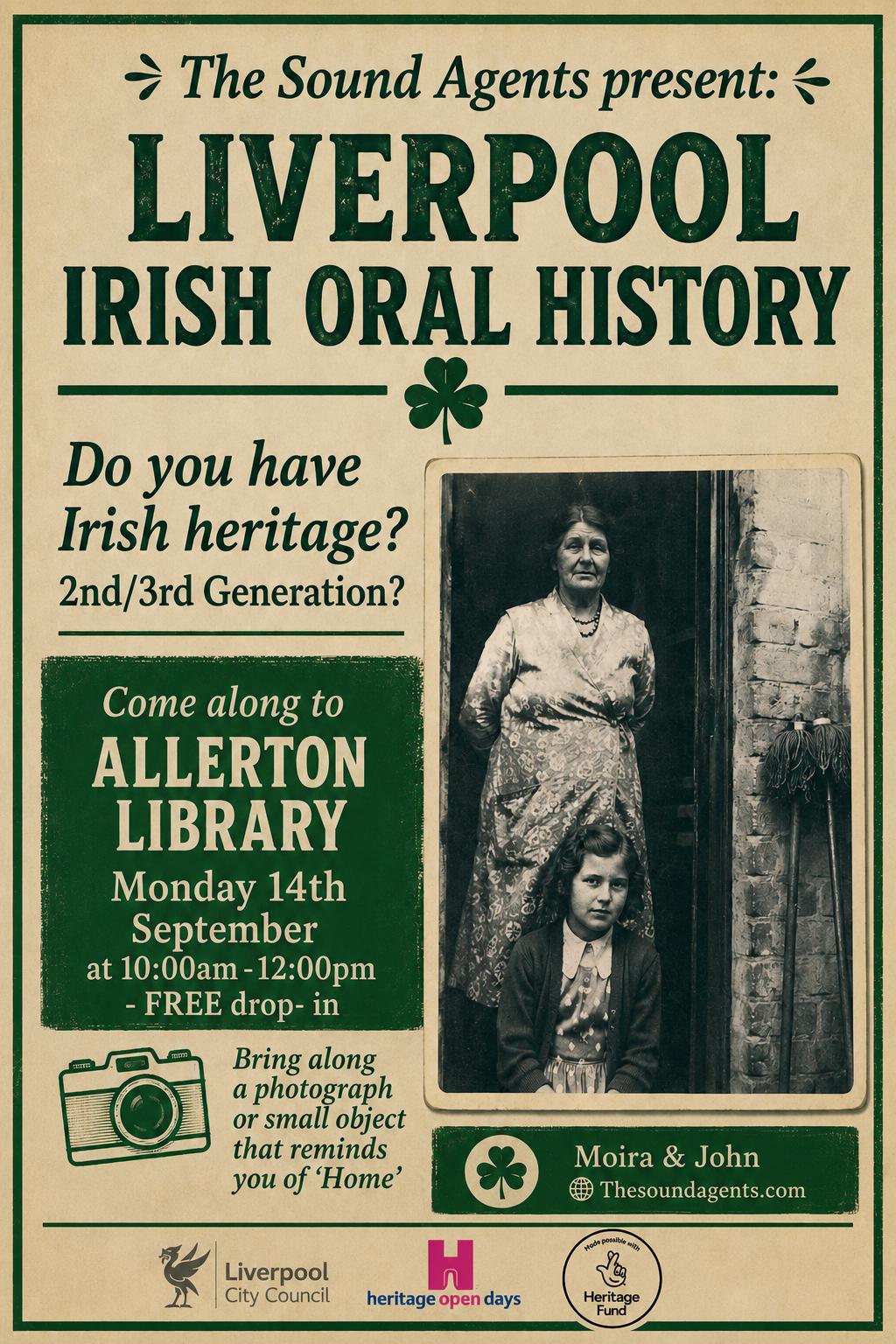
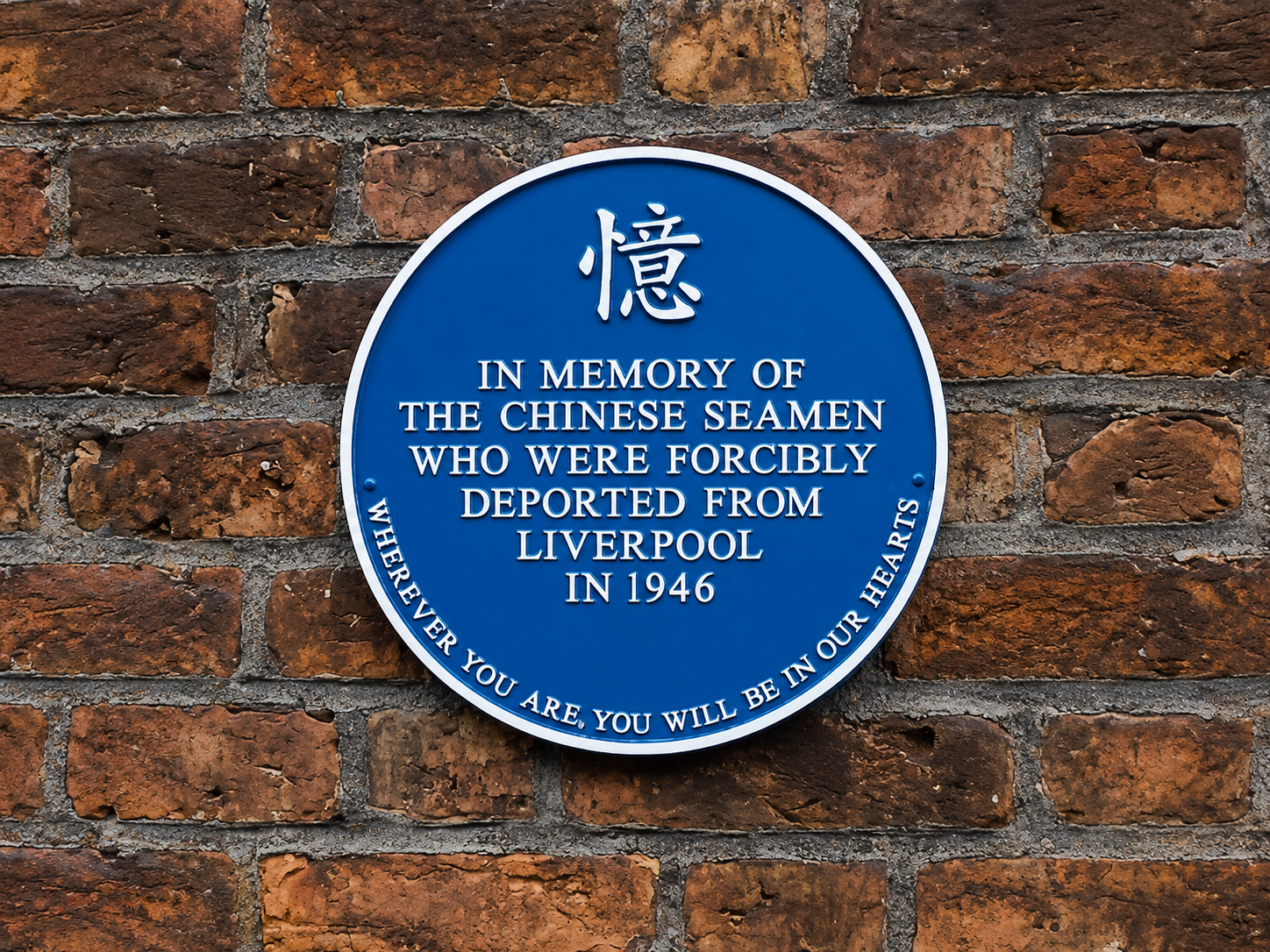
Greg has combined academic research with public engagement throughout his career. As Chair of the Liverpool Great Hunger Commemoration Committee, he led the campaign to establish the Irish Famine Memorial in St Luke's Gardens and supported the installation of historical plaques recognising significant chapters of Liverpool's Irish history. These lasting landmarks continue to educate residents and visitors alike.
Beyond his published work, Greg has delivered lectures, evening classes and guided walking tours across the city, making history accessible through thoughtful storytelling and meticulous research. His commitment to preserving overlooked voices also extends to publishing, including Hidden History: The Irish Language in Liverpool by Tony Birtill.
His latest research turns its attention to Scotland Road, one of Liverpool's most iconic districts. Continuing his lifelong dedication to local history, Greg remains committed to recording the people, places and communities whose stories deserve to be remembered long after the buildings have changed.
Through every project, Greg demonstrates that history is far more than dates and documents. It is the lived experience of ordinary people, preserved so future generations understand where they came from and how their city came to be.
History belongs to everyone. Our job is to ensure it is never forgotten.

Every community is built upon stories, struggles and achievements that deserve to be remembered. By understanding the lives of those who came before us, we gain a deeper understanding of the places we live and the communities we share today.
Through research, publications, lectures and public history projects, I aim to make history accessible, engaging and relevant for future generations.